Start Planning Now for a Stress-Free Summer Pool
Planning a fiberglass pool for your Joplin home starts long before the first shovel hits the ground. The work you do in the fall sets you up for a smooth, on-time install and a calm first swim next spring or early summer. Fiberglass pools go in faster than other types, but there are still important steps like design, permits, and scheduling that take steady, careful planning.
Late September is a smart time to begin. Builders are wrapping up summer projects, the weather is usually good for site visits, and there is enough time to design, order the shell, and line up work before the spring rush. As a local pool and concrete team based in Joplin, we understand Four-State soil, yard access, and weather patterns, and we know how much easier projects go when homeowners start early.
In this guide, we will walk through the three main phases of a fiberglass pool project: site preparation, delivery and installation, and startup with finishing touches. You will learn what access requirements matter, what a normal timeline looks like, and how to avoid surprises that can slow things down or add extra work.
Why Fiberglass Pools Work Well in Joplin
Many homeowners here choose fiberglass for its smooth surface, low day-to-day upkeep, and quick installation once the shell is on-site. Compared to vinyl liners, fiberglass does not need liner changes, and the surface is not as prone to tears. Compared to gunite, the factory-molded shell helps shorten the build time and gives you a clean, consistent finish.
Our weather also plays a big role. In the Four-State area, we see temperature swings and freeze-thaw cycles. Fiberglass shells flex a bit with the ground, which helps them handle seasonal movement when they are installed on a proper base and backfill. The smooth surface can also make it easier to manage chemicals and keep the water feeling good, which may help reduce ongoing work over time.
A good fiberglass pool builder in Joplin, Missouri, pays close attention to local conditions, such as:
- Clay-heavy soils that hold water or expand and contract
- Drainage patterns and slopes that affect where water runs after a storm
- City setback rules and easements for utilities
We also look at wind, sun, and trees. A pool that gets steady sun will warm up faster and stay cleaner than one tucked in deep shade under large trees. The right placement balances privacy, comfort, and maintenance.
Site Prep Basics: Evaluations, Permits, and Layout
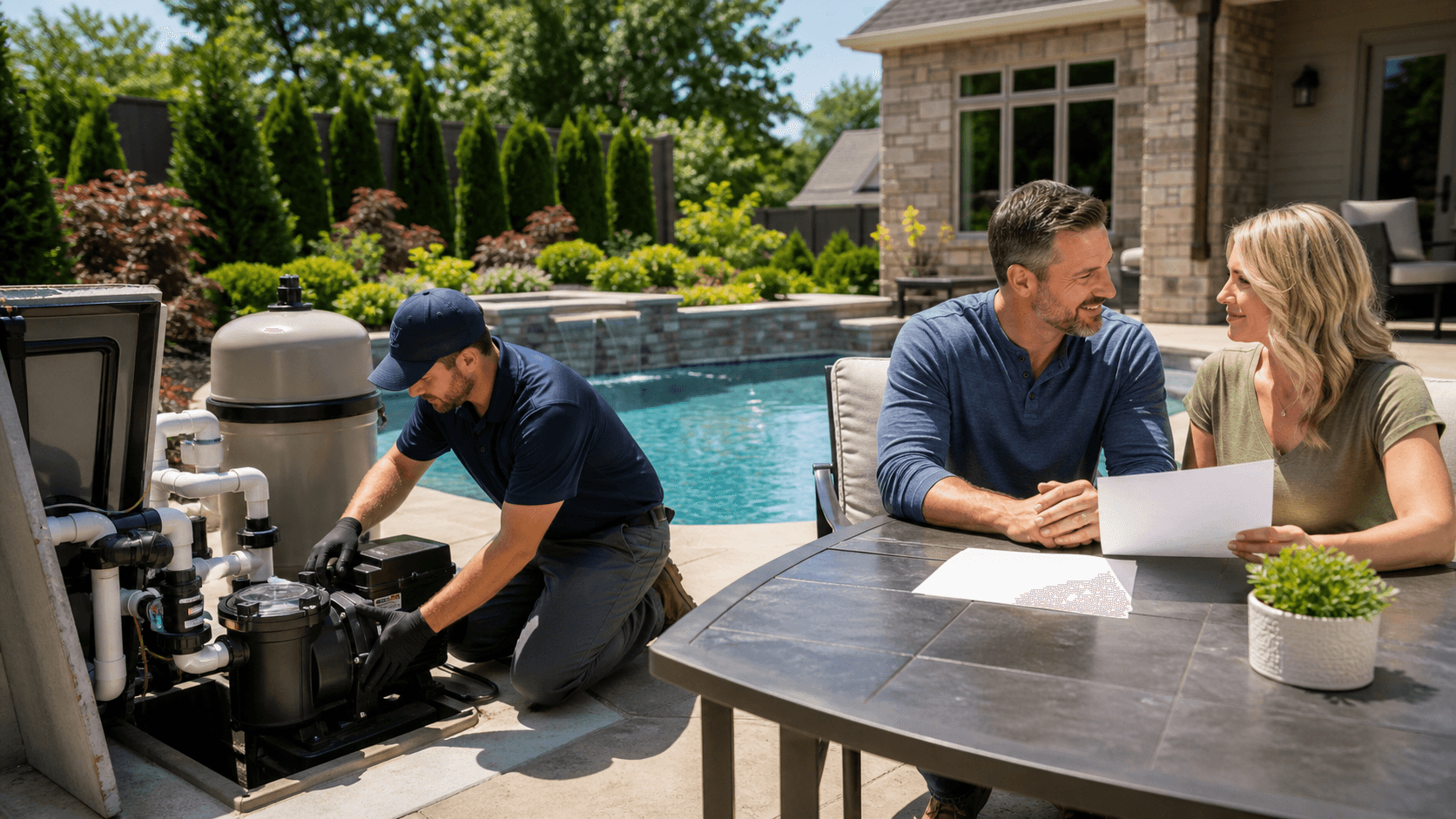
The process starts with a site visit. During this meeting, we walk the yard, take measurements, and talk through how you want to use your pool. We look at:
- Property lines and setback distances
- Changes in elevation and any existing retaining walls
- Overhead lines, buried utilities, and visible obstacles
Together, we discuss pool size, shape, and depth, along with orientation. Do you want morning or afternoon sun on your tanning ledge? Do you need extra privacy from a nearby street or neighbor window? We also ask about your long-term backyard plans, like future patios, outdoor kitchens, fire pits, or seating walls, so the pool placement works with those ideas, not against them.
Permits and code checks come next. In Joplin and surrounding towns, that usually means:
- Zoning and placement approvals
- Safety and barrier rules for fences, gates, and alarms
- Electrical and possibly plumbing permits
Before any digging, utilities must be located and marked. This step protects gas, water, electric, and communication lines and can influence both pool placement and trench paths for plumbing and electrical runs. Depending on the property, we may also assess soil conditions to look for soft spots, rock, or high groundwater that could change the excavation method or base material.
Homeowners can prepare the yard by:
- Removing furniture, toys, and décor from the work area
- Planning for pets and kids, since sections of the yard may be open or unsafe during work
- Deciding what to do with small trees, shrubs, sprinkler heads, or drainage lines in the pool zone
Expect some noise, dust, and temporary mess, especially on excavation days. Knowing this ahead of time makes it easier to plan your schedule and talk with neighbors.
Access Requirements and How Your Yard Affects Installation
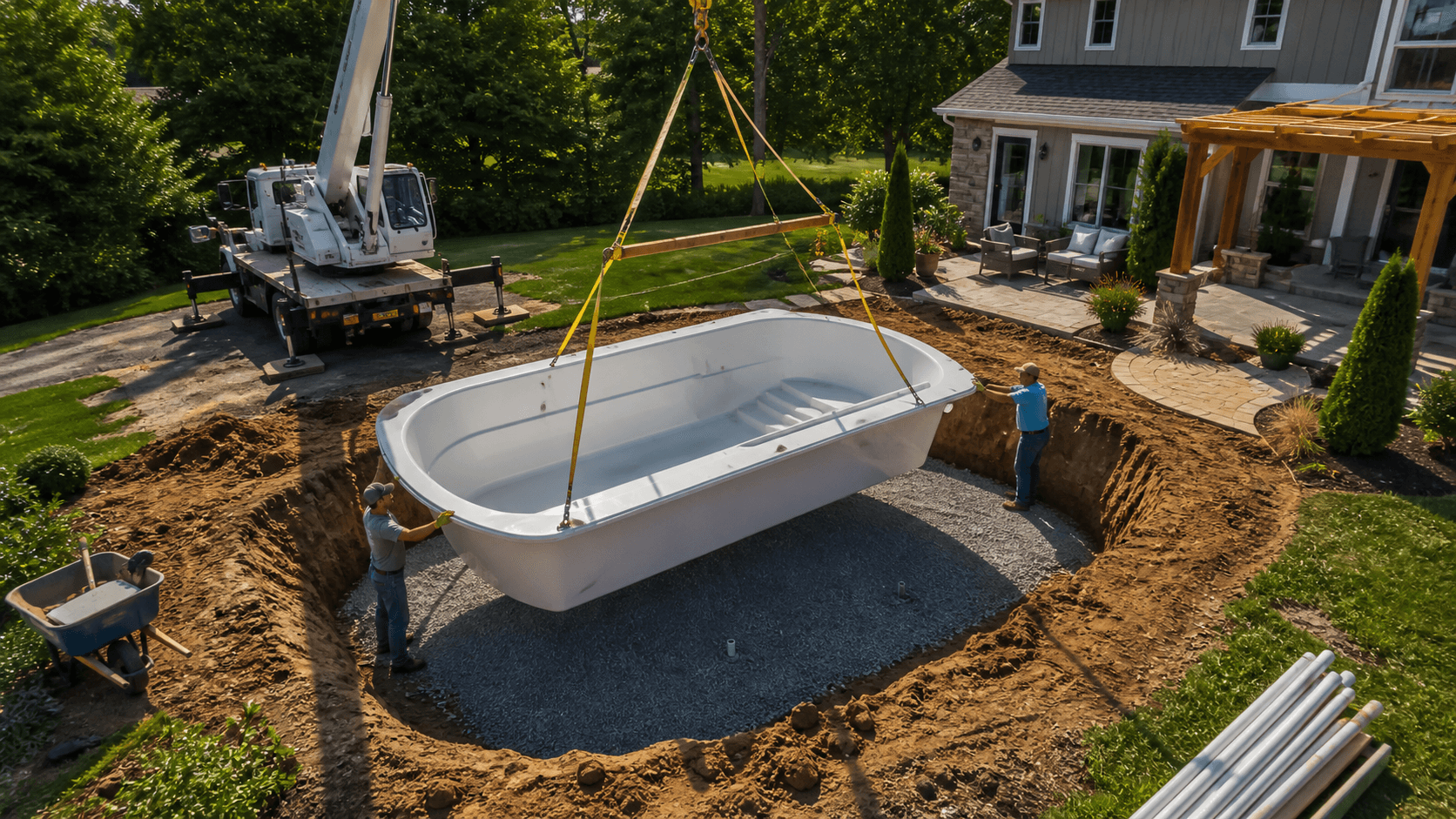
Access is one of the biggest factors in a fiberglass pool project. The shell arrives in one piece, so we need a clear path to the pool area. For many Joplin yards, that means using a side yard after removing a section of fence. We also need room for excavation equipment, supply trucks, and sometimes a crane.
Common access solutions include:
- Temporarily removing fence panels or gates
- Choosing smaller equipment for tight spaces, which can take more time
- Using a crane to lift the shell over the house, trees, or other obstacles
If a crane is needed, homeowners can expect a carefully planned day. That can include parking changes, brief road or alley closures, and coordination with neighbors. We also check power line clearance ahead of time to keep everyone safe.
Joplin and Four-State properties come in many shapes:
- Narrow city lots with shared fences and alleys
- Corner lots with more street frontage
- Rural homes with long drives, septic systems, and outbuildings
Existing patios, decks, large trees, and septic fields may affect not only access routes but also where the pool itself can safely sit. Experienced fiberglass pool builders in Joplin, Missouri are used to these challenges and often find creative paths that protect structures and landscaping as much as possible.
During planning, we clarify what access changes we will handle, such as temporary fence removal and minor grading, and what you will approve or coordinate, such as tree work or major landscape changes. After the shell is in and equipment is gone, we can discuss restoring lawns and fences and how long it may take for the yard to fully recover. Some homeowners also choose to add drainage upgrades, extra electrical conduit, or pad space for future features while the yard is already open.
From Dig Day to First Swim: Typical Timeline
Once the design is set and a contract is signed, we order your fiberglass shell. There is usually a lead time while the manufacturer builds and ships it. Starting this process in the fall often positions your project for an early or mid-spring installation, before peak-season schedules fill up. Weather, holidays, and material timing across the Four-State region can shift dates a bit, so some flexibility is always helpful.
A typical installation week can look something like this:
- Excavation and base prep: Digging the hole, shaping it to match the shell, setting the stone base
- Shell delivery and set: Placing the shell into the hole, checking level in all directions
- Plumbing and backfill: Running plumbing lines, adding backfill material in lifts, and filling the pool with water as we backfill
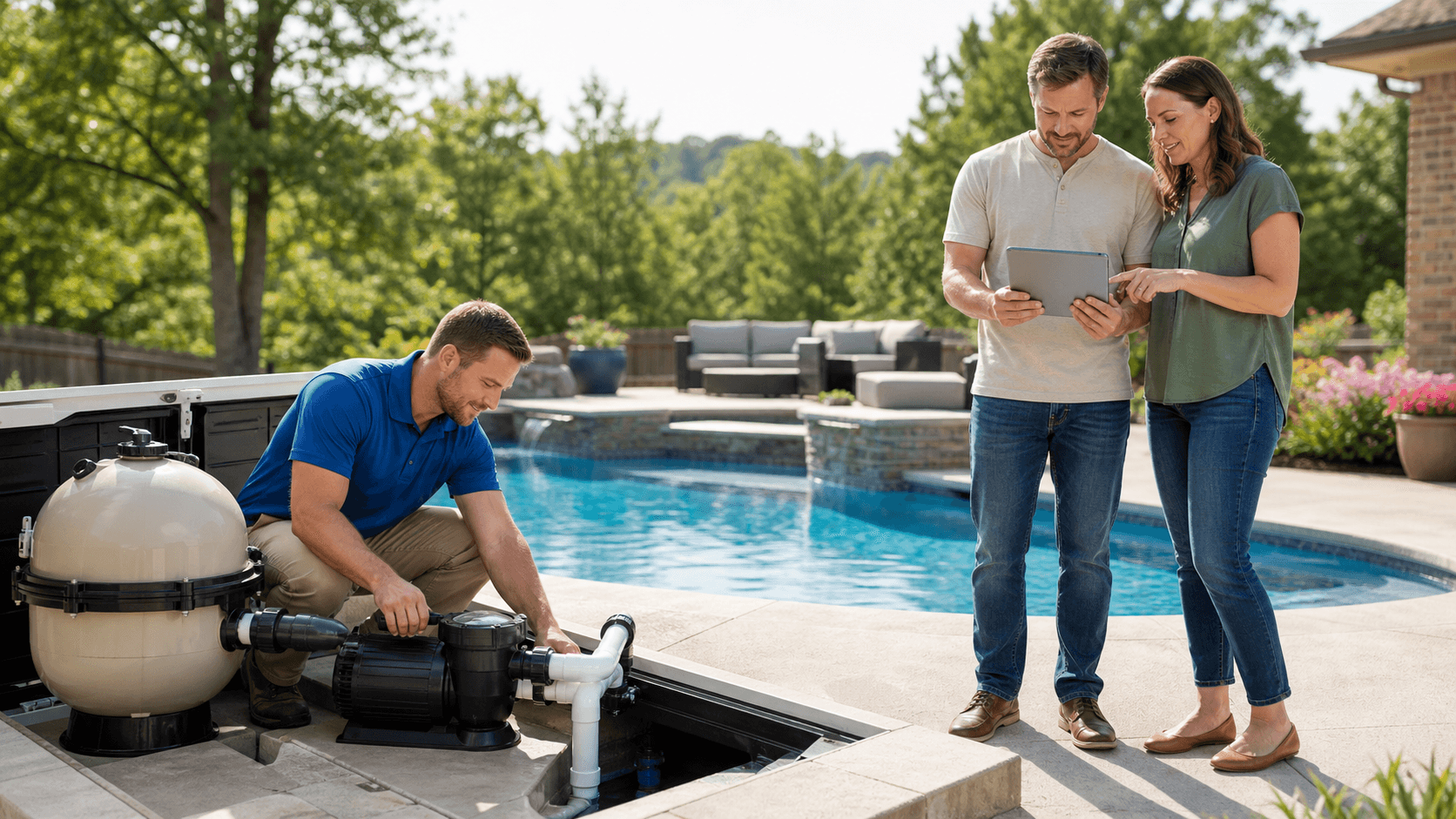
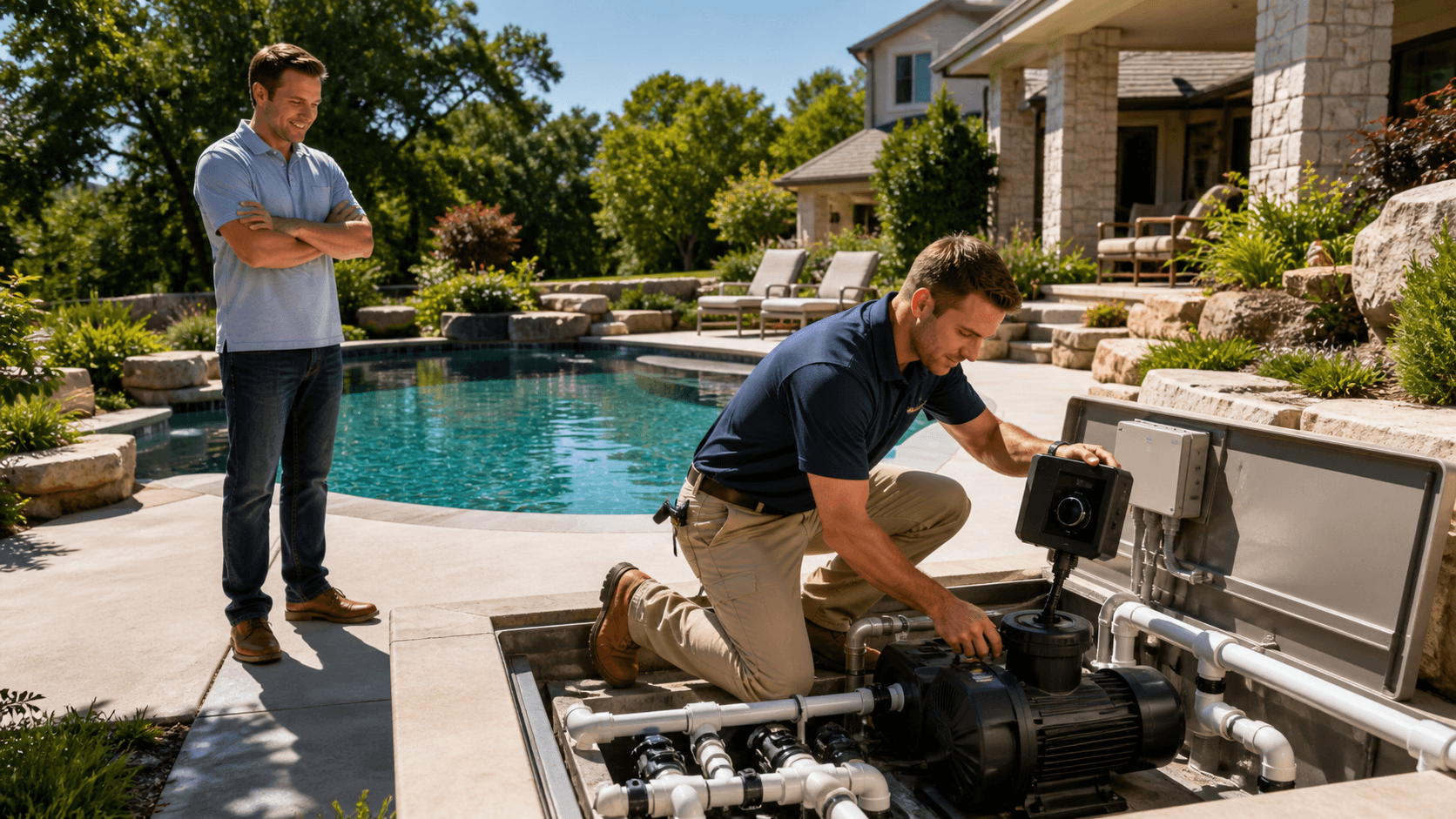
- Equipment, coping, and decking: Setting the filter and pump, forming and pouring concrete or placing other decking materials
Precise leveling and the right backfill materials help reduce settling and stress on the shell. During this time, trenches are backfilled, equipment pads are finished, and required inspections are usually scheduled.
When the structure is ready, we fill the pool, start the circulation system, and bring the water into balance. Safety checks, final code inspections, and any city approvals are finished before the pool is open for use. Your realistic first swim date will depend on weather, decking cure times, and how quickly you want to complete final touches like landscaping, lighting, furniture, and outdoor living add-ons.
Why Fall Is the Smart Time to Start Planning
Starting your fiberglass pool project in late September gives you a calm head start. Design talks, site evaluations, and permits can move forward while the weather is moderate and builder schedules are more flexible. Heavy digging and shell setting can be planned for late winter or early spring, so the messiest work is done before you want to be outside every day.
Planning in the fall also gives you more time to think through details such as:
- Decking style and layout
- Coping choices and color schemes
- Lighting, water features, and future outdoor living areas
In our area, cold snaps, rain, and freeze-thaw cycles affect when we dig, pour concrete, and finish surfaces. A seasoned local builder builds in buffer days and sequences tasks so the weather delays have less impact on your overall schedule. A common seasonal roadmap is design and permits in fall, structural work as weather allows in late winter or early spring, then finishing and landscaping so the pool is ready to enjoy by the time warm weather settles in.
When you understand site prep, access needs, and a realistic timeline, the entire fiberglass pool process feels simpler and more predictable. For Joplin homeowners, fiberglass offers a strong match for local soil, climate, and yard layouts, especially when planning starts early and the project is guided by people who work in this area every day.
Get Started With Your Project Today
If you are ready to bring a low-maintenance, long-lasting pool to your backyard, our team at Ozark Pool and Concrete is here to help. As experienced fiberglass pool builders in Joplin, Missouri, we will walk you through every step, from design to final installation. Reach out today to discuss your ideas, ask questions, and get a clear plan for your new pool, or contact us to schedule a consultation.