How One Simple Upgrade Cut a Joplin Pool's Energy Costs
Running a backyard pool in our area can feel great until the electric bill arrives. When the pump, filter, and lights are older, they often use more power than they need to, and that extra use shows up month after month.
In this case study, we walk through what happened when a Joplin family upgraded to a variable-speed pump, a cartridge filter, and LED pool lights. We look at the problems with their old setup, the upgrade plan, and the difference in comfort, maintenance, and utility bills after the work was done. If you are thinking about pool equipment upgrades in Joplin, MO, this example can help you picture what is possible in your own backyard.
The pool in this story was an in-ground residential pool that had been in place for years. As the equipment aged, the family saw higher electric bills in the summer and more frequent service calls. By late summer, they decided they were tired of guessing what the next bill would look like and wanted a smarter, simpler setup before the next swim season.
The Problem: Outdated Pool Equipment Driving up Bills
The main energy user was an older single-speed pump. It only ran at full power, even when the pool did not need that much flow. The motor was noisy, oversized for the pool, and had to run long hours during hot stretches to keep the water clear. Each summer, the family noticed a clear jump in their electric bills as soon as the pool opened.
Here is what was working against them:
- Single-speed pump that could not slow down
- Long run times during hot, humid weather
- Oversized motor pushing more water than needed
- Constant humming noise in the backyard
They also had a sand filter that needed regular backwashing. That meant more work, more water going down the drain, and higher pressure needed to push water through the system. On top of that, the pool was lit with halogen fixtures that drew more power and burned out more often, so they worried about lights failing before a get-together.
Seasonal changes in our area made things worse. In the thick of summer, they had to run the pump longer to keep up with heat, storms, and extra swimmers. Later in the year, they still needed some circulation and lighting for closing and safety, even as the days got shorter. The family felt stuck, because the equipment was already there and changing it seemed like a big step.
Emotionally, they were dealing with:
- Frustration with rising, unpredictable bills
- Stress about equipment breaking right before parties
- Annoyance at the time spent backwashing and scheduling repairs
- A sense that this was just "how pools are," even though it did not feel right
The Upgrade Plan: Smart Choices for Joplin Pools
When we looked at this pool, our goal was simple: lower the energy use while making the pool easier to own. That is where the combination of a variable-speed pump, cartridge filter, and LED lights came in.
For equipment selection, we focused on:
- A variable-speed pump sized to the pool's volume and plumbing
- A cartridge filter with good surface area and low resistance
- LED color-changing lights rated for long life and lower power draw
We paid close attention to how this gear would handle the four-state climate. Summer heat, spring storms, and fall leaves all affect circulation needs. The plan was to run the pump more hours at a low speed for daily filtration, then use higher speeds only when needed for cleaning or special tasks.
The process looked like this:
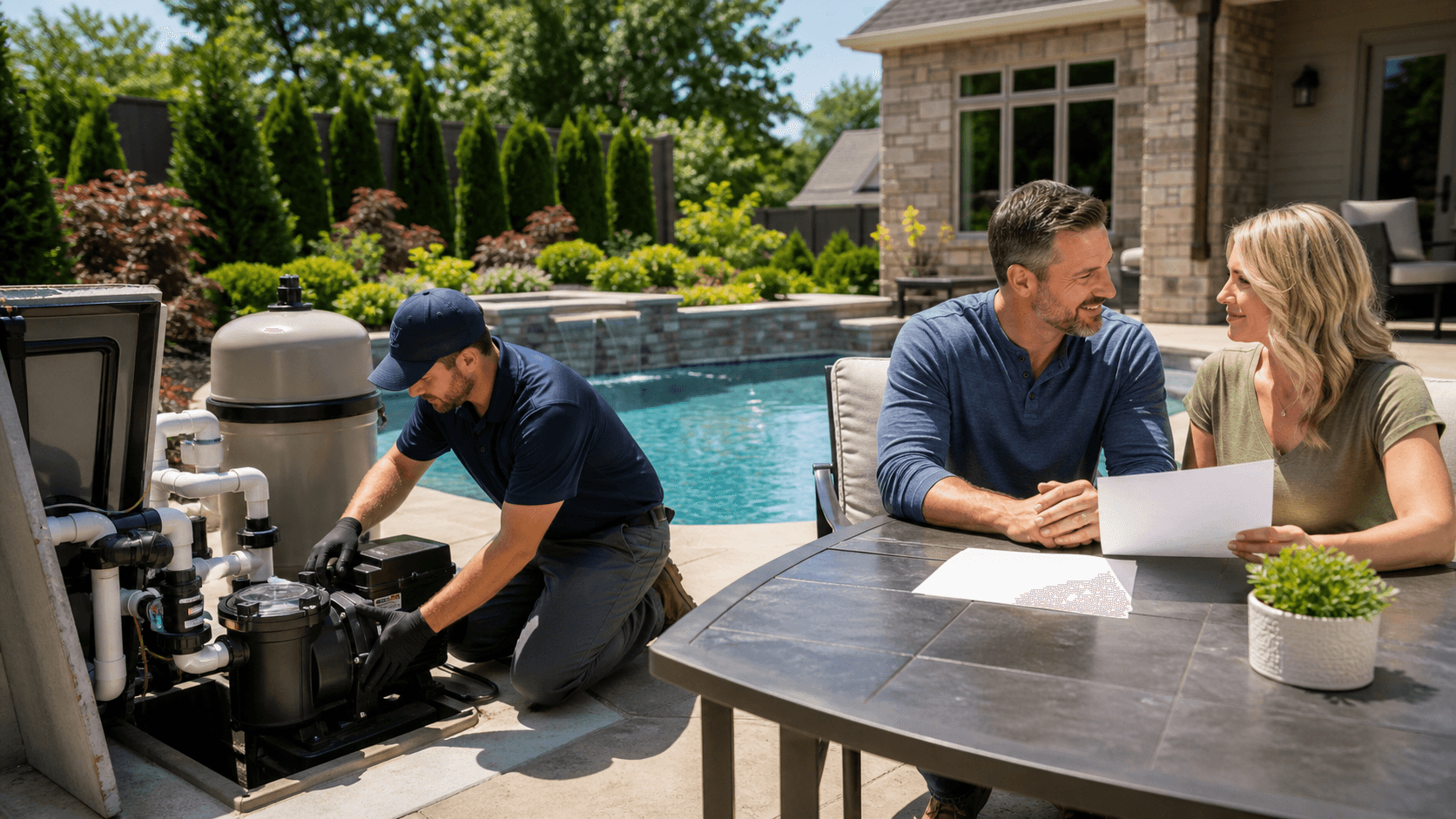
- Assessment visit to review the current equipment, plumbing, and electrical layout
- A simple energy-use estimate based on local utility rates and expected pump speeds
- Scheduling after peak pool use so the family did not lose swim time
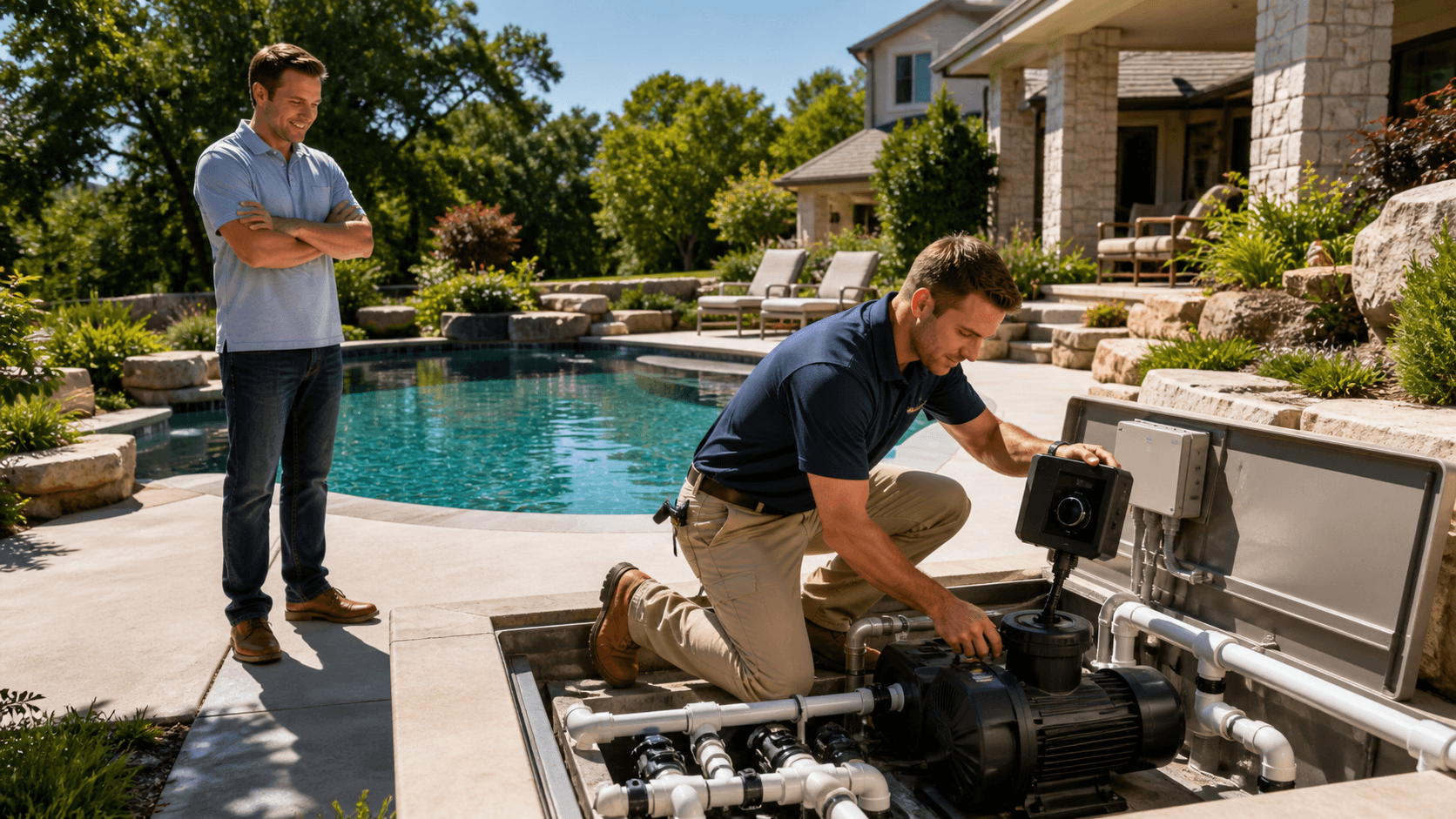
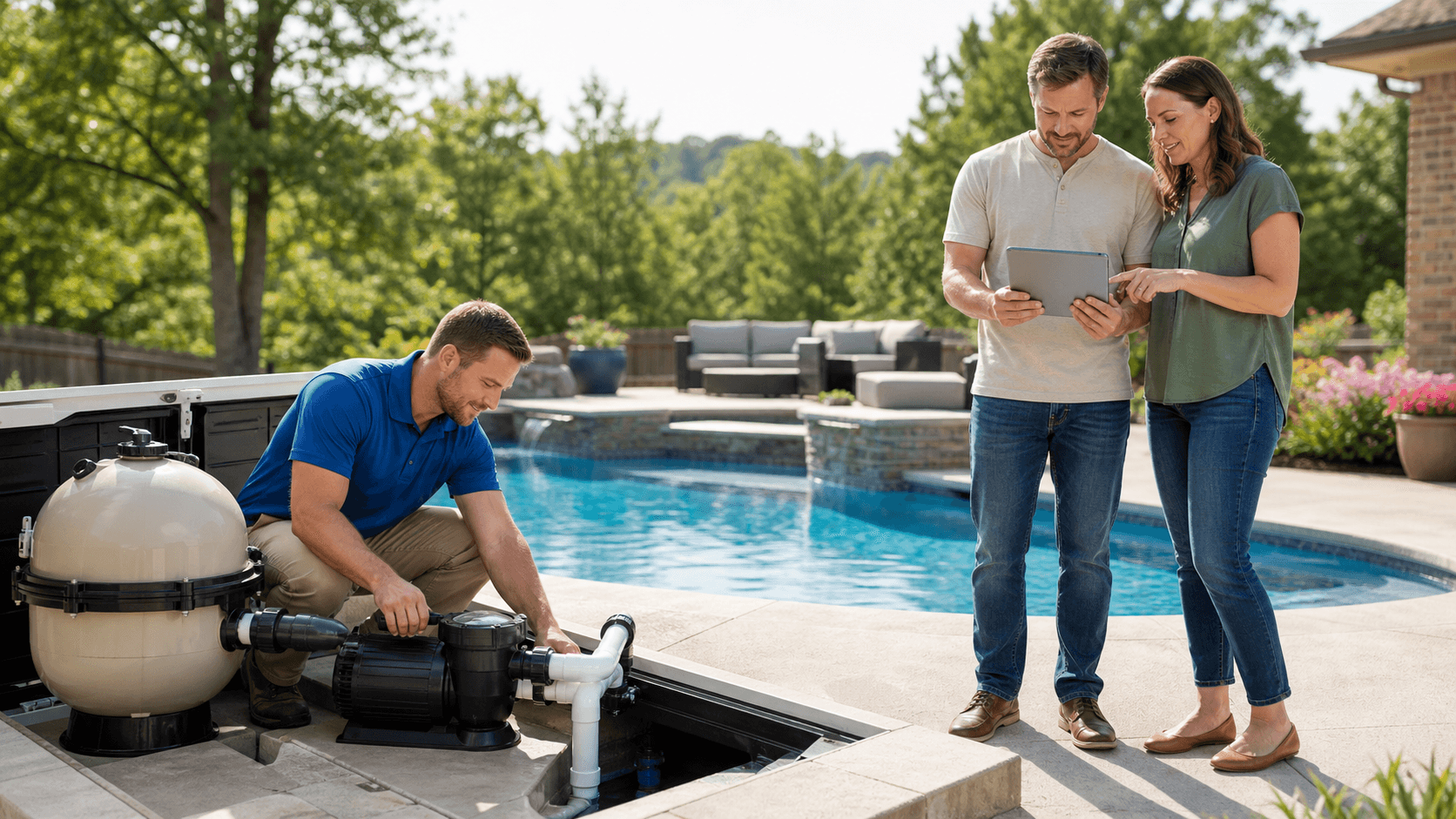
- One-day removal of the old pump and filter and installation of the new equipment and LED lights
After installation, we walked the family through:
- How to program different pump schedules for hot weather and milder days
- How to open and rinse the cartridge filter when needed
- How to use the LED light modes for regular evenings or special events
- What to watch for on their next few utility bills so they could see the change clearly
Before-and-After Utility Bills: Real Numbers From Joplin
The baseline for this pool was clear. Each year from late spring through early fall, their electric use climbed. When we broke down their bills, a large share of that bump was tied to the old pump and lighting, based on the pump horsepower, the hours of operation, and the wattage of the halogen fixtures.
Before the upgrade, the pattern looked like this in general terms:
- Noticeable jump in electric use once the pool opened
- The highest bills hitting during long, hot stretches
- Little relief until the pool was fully closed and everything was shut down
After the new equipment ran for a full swim season, the family saw a different pattern. Overall electric use during the main pool months dropped compared to their earlier years. The daily cost of circulation during spring opening and fall closing was also lower, since the variable-speed pump could run at gentle speeds for longer periods without pulling as much power.
The key was the new run-time strategy:
- Pump running more hours at low RPM for filtration
- Shorter, higher-speed windows only for vacuuming or heavy cleaning
- Better water clarity, since slow flow keeps water moving through the filter more evenly
The benefits went beyond the bills. The backyard became much quieter with the low-speed pump, so normal conversation and relaxing by the pool felt easier. Water quality stayed more stable, so there were fewer last-minute service calls and less stress before events. With LED lights, the family could enjoy longer evening swims without worrying about high power draw or frequent bulb changes.
More Than Savings: Comfort, Maintenance, and Peace of Mind
Energy savings are only part of the story. The cartridge filter changed how the family handled weekly care. They no longer had to backwash as a routine chore, which meant less time standing at the equipment pad and less water wasted down the drain.
Here is what maintenance looked like after the upgrade:
- No regular backwashing cycles
- Periodic filter cleanings done less often
- Less chemical loss from sending water out of the pool
- Fewer surprises with pressure spikes or cloudy water
Comfort improved as well. LED lights run cooler and give a bright, even glow in the water. Color options made late-summer and early fall evenings more fun, and the family felt better about turning the lights on whenever they wanted, since they used less power than the old halogens.
Better circulation also helped limit algae risk during hot, sticky stretches. By keeping water gently moving for longer, the system supported more stable chemistry and clearer water, without needing the pump to roar at full blast.
We also built this setup with long-term protection in mind. The newer equipment fit into our ongoing service and protection plans, so regular checkups could keep everything tuned and efficient as it aged. That kind of structure is helpful when homeowners want their pool to stay reliable and efficient for many seasons.
There is also a benefit for resale. Modern, energy-conscious pool equipment is something future buyers tend to appreciate. When a buyer sees a variable-speed pump, a clean cartridge filter system, and LED lighting, it points to a pool that has been cared for and is ready for everyday use without surprise energy costs.
Ready to See Lower Pool Bills Next Season
The best time to think about upgrades is often after the main swim rush, when the pool is still on your mind but not in constant daily use. That gives room to review your past utility bills, look at how your equipment is running, and plan changes before the next opening.
If you are considering pool equipment upgrades in Joplin, MO, it helps to gather your last couple of summers of bills and pay attention to how much they jumped once your pool came online. With a clear look at your current pump, filter, and lights, it is possible to build a plan that aims for lower energy use, easier care, and a calmer, more comfortable backyard for years to come.
Get Started With Your Project Today
If you are ready to improve performance, efficiency, and ease of maintenance for your backyard pool, our team at Ozark Pool and Concrete is here to help. Explore your options for pool equipment upgrades in Joplin, MO and let us recommend the setup that best fits your needs and budget. Have questions or want to schedule a visit from our technicians? Simply contact us to get your upgrade plan started.